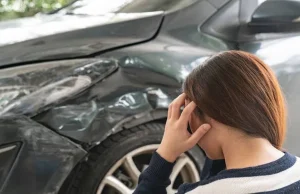

Getting hit by a car is stressful enough without discovering that the at-fault driver lacks adequate insurance coverage to pay for your injuries and damages. Unfortunately, this scenario happens more often than most Idaho drivers realize. Despite state laws requiring minimum liability insurance, many drivers operate vehicles without coverage or carry only the bare minimum required by law. When serious injuries result from an accident, those minimum policy limits often fall far short of covering actual damages. Understanding your options for recovery when facing an uninsured or underinsured driver can help protect your financial future and ensure you receive the compensation you need.
The Uninsured Driver Problem in Idaho
Idaho law requires all drivers to carry minimum liability insurance of $25,000 per person for bodily injury, $50,000 per accident for bodily injury, and $15,000 for property damage. Despite these legal requirements, statistics show that a significant percentage of Idaho drivers operate vehicles without any insurance coverage whatsoever. Others maintain only the minimum required coverage, which proves inadequate when accidents cause serious injuries requiring extensive medical treatment, long-term rehabilitation, or permanent disability.
When you suffer a severe injury like a traumatic brain injury, spinal cord damage, or multiple fractures, your medical expenses alone can easily exceed $100,000 or more. If the at-fault driver carries only the minimum $25,000 coverage, you face a devastating shortfall. This leaves many accident victims wondering how they will pay their medical bills, replace lost income, or cover ongoing treatment costs.
Understanding Uninsured Motorist Coverage
Uninsured Motorist coverage, commonly abbreviated as UM coverage, protects you when an at-fault driver has no insurance at all. This coverage is not automatically included in every auto insurance policy, but Idaho law requires insurance companies to offer it to all policyholders. Many people decline this coverage without fully understanding its importance, often to save a few dollars on their premiums.
UM coverage essentially allows your own insurance company to step into the shoes of the uninsured at-fault driver. If you’re injured by someone without insurance, your UM coverage pays for your medical expenses, lost wages, pain and suffering, and other damages up to your policy limits. This coverage also applies in hit-and-run accidents where the at-fault driver flees the scene and cannot be identified.
How Underinsured Motorist Coverage Works
Underinsured Motorist coverage, or UIM coverage, addresses the situation where the at-fault driver has insurance but not enough to cover your total damages. For example, imagine you suffer injuries requiring $150,000 in medical treatment, but the at-fault driver carries only the minimum $25,000 liability policy. Your UIM coverage bridges the gap between what their insurance pays and your actual losses.
UIM coverage only kicks in after you exhaust the at-fault driver’s liability policy limits. You cannot collect from your UIM policy until the other driver’s insurance pays its maximum available amount. Once that happens, your UIM coverage can provide additional compensation up to your policy limits, minus what you already received from the at-fault driver’s insurance.
Choosing the Right Coverage Limits
When purchasing UM and UIM coverage, you can typically select limits that match your liability coverage or choose lower amounts. However, selecting lower limits to save on premiums creates significant financial risk. If you carry $100,000 in liability coverage but only $25,000 in UM/UIM coverage, you’re betting that any uninsured or underinsured driver who hits you will cause less than $25,000 in damages.
Most insurance professionals recommend purchasing UM/UIM coverage that equals or exceeds your liability limits. This ensures comprehensive protection regardless of whether the at-fault driver has adequate coverage. The additional premium cost is typically modest compared to the financial protection these coverages provide.
Alternative Recovery Options
When UM/UIM coverage isn’t available or proves insufficient, other potential recovery options exist. If the at-fault driver owns significant assets like real estate, vehicles, or business interests, you might pursue those assets through a personal injury lawsuit. However, many uninsured drivers lack substantial assets, making this option impractical.
Your own health insurance might cover accident-related medical expenses, though you may need to reimburse your health insurer from any settlement or judgment you receive. MedPay coverage, if included in your auto policy, provides additional medical payment coverage regardless of fault and can help bridge gaps in your recovery.
If the accident occurred while you were working or performing job-related duties, workers’ compensation might provide benefits. Some accident scenarios involve potentially liable third parties beyond the uninsured driver, such as vehicle manufacturers in cases involving defective auto parts, or government entities responsible for dangerous road conditions.
Taking Action After an Accident
If you discover the at-fault driver lacks adequate insurance, document everything thoroughly. Take photos of the accident scene, vehicle damage, and your injuries. Collect witness contact information and obtain a copy of the police report. Notify your insurance company immediately about the accident and your intention to file a UM or UIM claim.
Be prepared for your own insurance company to investigate your claim just as thoroughly as they would any other claim. They may dispute the severity of your injuries or the other driver’s fault, even though you pay premiums specifically for this protection. Having experienced legal representation becomes crucial when navigating UM/UIM claims.
The knowledgeable team at Attorneys of Idaho can help you understand your coverage options, negotiate with insurance companies, and explore all available recovery avenues. Don’t let inadequate insurance coverage from an at-fault driver prevent you from receiving the compensation you deserve for your injuries and losses.